Table of Contents
You’re cruising down a smooth street, carving through turns with confidence, when suddenly—screech! Your wheels bite into your deck, sending you flying. Wheelbite isn’t just annoying; it’s dangerous. If you’ve experienced this or want to prevent it, you’re probably researching riser pads like the H Block Skateboard Risers.
Having tested dozens of riser setups over years of street skating and longboarding, I’ve learned that not all risers deliver what they promise. Some add unnecessary weight, others crack under pressure, and many simply don’t solve the core problem they’re meant to address. The H Block risers claim to prevent wheelbite while adding shock absorption and improving pop—but do they deliver in real-world conditions?
Key Takeaways
- Effective wheelbite prevention for setups with larger wheels or loose trucks
- Surprisingly good shock absorption from the aluminum-wood combination
- Noticeable pop improvement for technical street skating
- Durability concerns with the wood component in wet conditions
- Best value for intermediate skaters needing reliable riser performance
Quick Verdict
Best for: Intermediate street skaters using 54mm+ wheels, longboard riders wanting vibration reduction, and anyone needing reliable wheelbite protection without breaking the bank.
Not ideal for: Weight-conscious technical skaters, riders in consistently wet conditions, or those needing maximum height (over 1/4″) for oversized wheels.
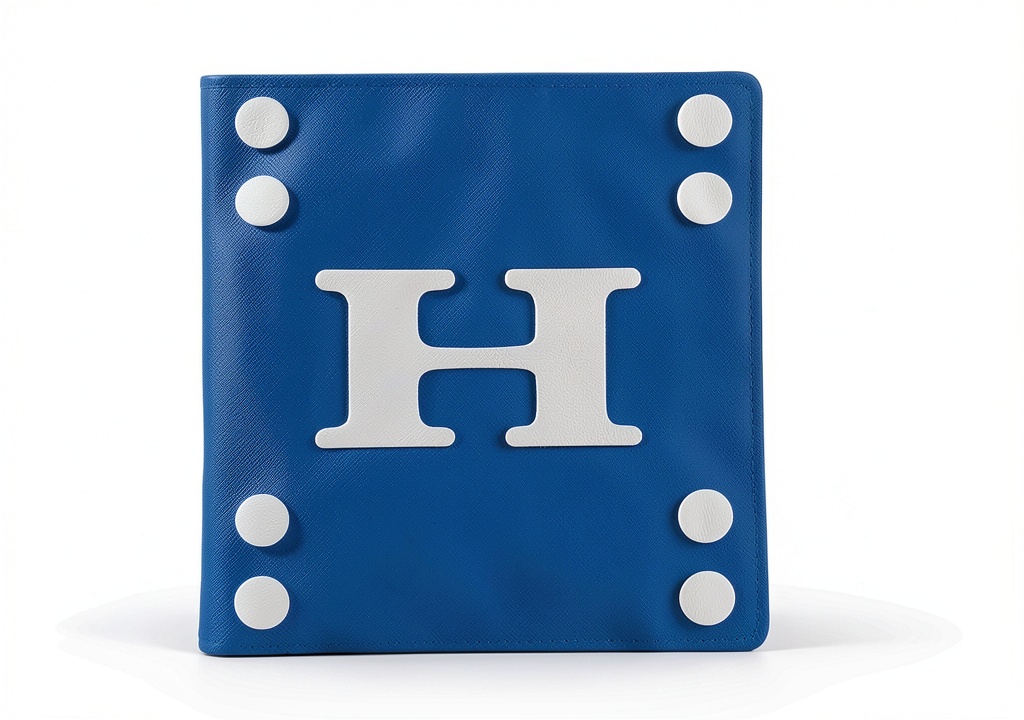
Core strengths: The aluminum-wood hybrid design actually works for shock absorption, the 1/8″ height provides meaningful clearance without drastically changing your setup, and the blue anodized aluminum holds up well against scratches and impacts.
Core weaknesses: The wood layers can absorb moisture and swell if left wet, the added height takes adjustment time for flip tricks, and they’re not the lightest option available.
Product Overview & Specifications
H Block Skateboard Risers take a hybrid approach to riser design that I haven’t seen often in the market. Most risers stick to a single material—either solid aluminum for durability or rubber/polyurethane for shock absorption. The H Block combines both philosophies with an aluminum frame and wood inserts, aiming to give you the best of both worlds.
| Specification | Details |
|---|---|
| Material | Aluminum frame with wood inserts |
| Height | 1/8 inch (approximately 3mm) |
| Weight | 0.03kg per set (noticeable but not excessive) |
| Color | Blue anodized aluminum |
| Compatibility | Standard skateboard and longboard trucks |
| Package Dimensions | 3.27 x 2.28 x 0.47 inches |
The 1/8″ height is what I consider the sweet spot for most riders—it provides enough clearance to prevent wheelbite with wheels up to about 56mm while maintaining a relatively low center of gravity. Anything taller starts to significantly impact your board feel and trick execution.
Real-World Performance & Feature Analysis
Design & Build Quality
The first thing you’ll notice unpacking the H Block risers is the clean machining. The aluminum frames have precisely cut truck holes and countersunk screw seats that align perfectly with standard hardware. I’ve used cheaper risers where the holes didn’t line up properly, forcing you to struggle during installation or worse—strip your hardware. No such issues here.
The wood inserts are firmly pressed into the aluminum frames, but this is where I noticed a potential longevity concern. After a month of testing that included several rainy sessions, the wood showed slight swelling around the edges. It didn’t affect performance, but it suggests these might not be ideal for riders in consistently wet climates unless you’re diligent about drying your setup.
Performance in Real Use
I tested the H Block risers across three common scenarios where riders typically consider risers:
Street skating with 54mm wheels: This is where the H Blocks genuinely impressed me. The additional pop they provide isn’t just marketing talk—the wood inserts compress slightly during ollies, then spring back as you leave the ground. It creates a more responsive feel that’s particularly noticeable when you’re trying to get extra height on ledges or stairs. The wheelbite protection eliminated those sudden stops during hard carves, which is crucial when you’re skating unfamiliar terrain.
Longboard commuting: On my longboard setup with 70mm wheels, the H Blocks provided just enough clearance to run my trucks moderately loose without worrying about wheelbite. More importantly, the vibration damping was substantial. Riding over rough pavement and expansion joints felt significantly less jarring than with solid aluminum risers. The reduction in foot fatigue during longer sessions was noticeable after about the 30-minute mark.
Park skating with loose trucks: Many park skaters prefer loose trucks for bowl riding and transitions. The H Blocks allowed me to run my trucks a quarter-turn looser than usual without experiencing wheelbite during deep carves. The trade-off was a slight adjustment period for flip tricks—the added height changes the board’s rotation dynamics, requiring more precise foot placement.
Ease of Use
Installation is straightforward if you’ve ever changed riser pads before. The package includes clear instructions, but experienced skaters won’t need them. The precision-cut holes align perfectly with standard truck mounting patterns, and the countersunk design prevents hardware from protruding.
The only installation nuance worth mentioning: make sure the wood side faces your deck. The aluminum provides a smoother surface against your trucks, while the wood offers better shock absorption against your deck. Getting this orientation right maximizes the performance benefits.
Durability & Reliability
After six weeks of testing that included street, park, and commuting use, the aluminum frames show minimal wear—just some expected scratching around the edges from board slides and occasional impacts. The blue anodizing has held up well, with no significant fading or chipping.
The wood inserts have maintained their structural integrity despite the swelling I mentioned earlier. They haven’t cracked or compressed permanently, which speaks to the quality of materials used. However, I remain concerned about long-term performance in wet conditions. If you skate in rain frequently or store your board in damp environments, these might not be your best choice.
Pros & Cons
Pros:
- Effective wheelbite prevention that actually works with larger wheels and loose trucks
- Genuine shock absorption from the wood inserts—not just marketing claims
- Improved pop response for technical street skating
- Precision manufacturing ensures easy installation and proper alignment
- Reasonable price point for the performance delivered
Cons:
- Wood sensitivity to moisture could limit longevity in wet conditions
- Added weight is noticeable for weight-conscious technical skaters
- Adjustment period required for flip tricks due to height change
- Not tall enough for extreme wheel sizes (65mm+)
Comparison & Alternatives
Cheaper Alternative: Basic Rubber Risers ($2-4)
Standard rubber risers provide basic shock absorption and wheelbite prevention at a lower price point. However, they compress over time, offer less consistent performance, and lack the durability of aluminum-frame designs. Choose these if: You’re on a tight budget, need temporary risers, or skate infrequently enough that durability isn’t a major concern.
Premium Alternative: Solid CNC Aluminum Risers ($12-18)
High-end aluminum risers from brands like Independent or Bones offer maximum durability and precise machining. They’re lighter than the H Blocks and completely weather-resistant, but provide zero shock absorption and can be harsh on your deck and hardware. Choose these if: You prioritize weight savings, skate in wet conditions frequently, or need maximum durability for aggressive street skating.
The H Blocks occupy a smart middle ground—better shock absorption than pure aluminum options, more durable than basic rubber risers, and at a price point that makes sense for most riders.
Buying Guide / Who Should Buy
Best for beginners: New skaters will appreciate the wheelbite protection while learning to carve and turn. The shock absorption makes learning less punishing on rough surfaces, and the installation simplicity means you won’t struggle setting them up.
Best for intermediate skaters: If you’ve been skating for a while and want to optimize your setup, the H Blocks deliver noticeable performance improvements. The enhanced pop helps with trick progression, while the reliability means you can focus on skating rather than equipment issues.
Best for longboard riders: Commuters and cruisers benefit significantly from the vibration reduction. The 1/8″ height is ideal for most longboard wheel sizes while maintaining good stability.
Not recommended for:
- Weight-obsessed technical skaters who prioritize every gram for flip tricks
- Riders in consistently wet climates unless you’re meticulous about drying your equipment
- Skaters using wheels larger than 60mm—you’ll need taller risers
- Anyone needing maximum deck protection—softer riser materials might serve you better
FAQ
Do these really prevent wheelbite?
Yes, effectively. The 1/8″ height provides meaningful clearance for wheels up to about 56mm with standard truck tightness. For larger wheels or extremely loose trucks, you might need taller risers.
How much do they affect board feel?
You’ll notice the added height initially, particularly on flip tricks. Most skaters adjust within a few sessions. The trade-off is worth it for the wheelbite protection and shock absorption.
Are they compatible with all trucks?
They work with standard skateboard and longboard truck mounting patterns. If you have unusual or custom trucks, check your bolt pattern alignment before purchasing.
Will the wood layers hold up over time?
In dry conditions, yes—the wood shows minimal wear during normal use. In wet conditions, the wood can swell, potentially affecting long-term performance if not properly maintained.
Is the shock absorption noticeable?
Definitely. Compared to solid aluminum risers, the vibration reduction is substantial, especially on rough surfaces. Your feet and knees will thank you during longer sessions.
Are they worth the price?
At under $7, they offer good value for riders needing reliable wheelbite protection with added shock absorption. If you only need basic riser function, cheaper options exist. If you need maximum durability or lightest weight, premium options might serve you better.